
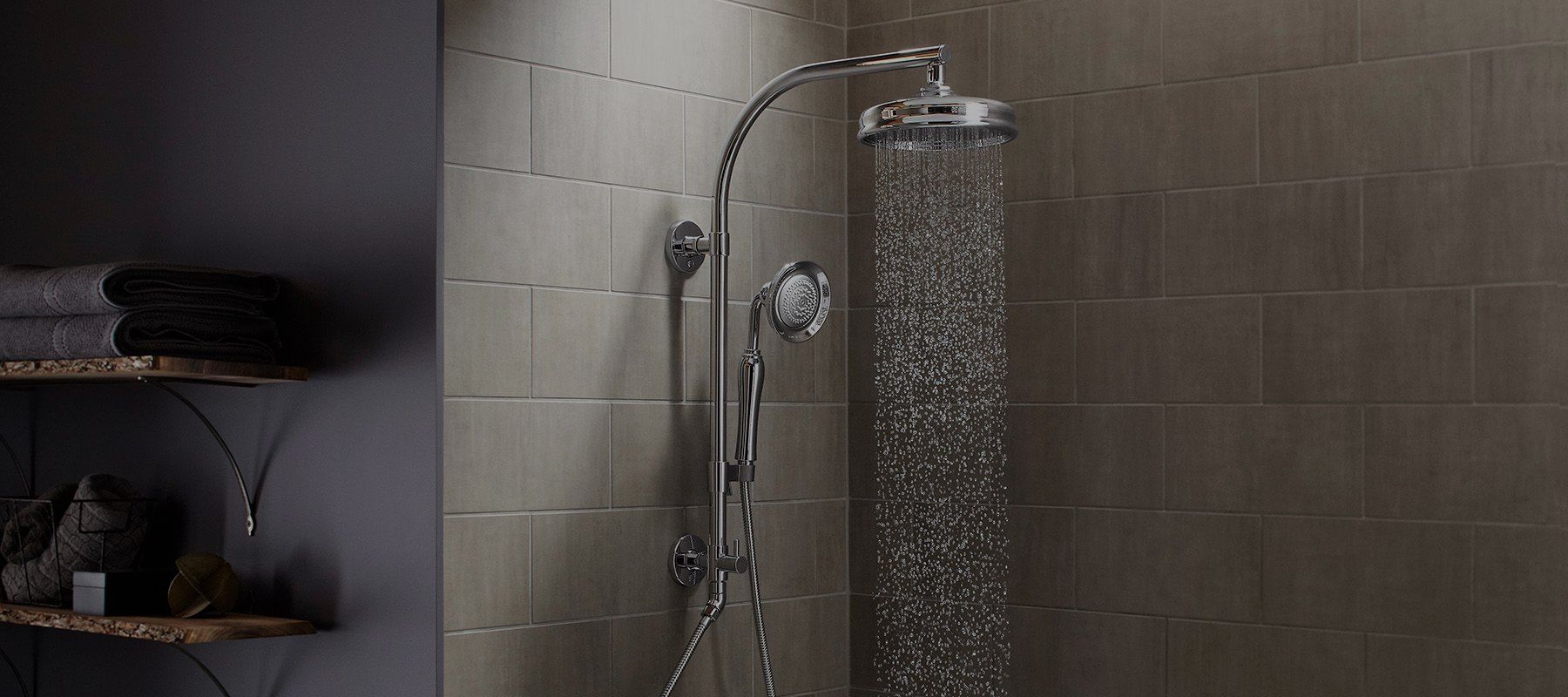
Professional installation services of various types of water heaters
WATER HEATER ELECTRICAL SERVICES
Water Heaters in Singapore
Water heaters are a common household product in most Singapore homes. It is rare to find a household without either a storage water heater or an instant water heater. Advances in innovation and heating technology have made water heaters more affordable, turning them into an essential household appliance.
Water heaters play an important role in providing warm water for daily activities. However, when the installation is not done properly, the unit may develop issues such as leaks or other signs indicating the need for repair or replacement.
Water heaters typically have very few problems, and when they do, it is usually due to wear and tear or poor installation. One of the most common signs of a problem is water heater leakage. When this occurs, you should engage a reputable company like ours to install, remove, or repair your water heater safely.
Installation, Replacement and Repair Services
Our experienced plumbers are experts in handling all types of water heaters available on the market. The services we provide include the following:
Water heater installation
Installing a new water heater can be challenging, especially if you are installing a large storage tank. At Nation Electric, we supply and install both storage water heaters and instant water heaters. Our plumbers will help you choose the most suitable unit for your home or apartment.
The complexity of a new installation depends on your water heater type and your current setup.
An instant water heater requires both a water point and an electrical point. If these are already in place, the work is straightforward. Otherwise, new pipes or a power point may need to be installed.
Installing a new storage water heater takes more time. Storage heaters typically supply two or more bathrooms, which means new pipe connections may be required. A secure bracket is often needed to support the heater’s weight. The entire installation typically takes a few hours.
Where to install your water heater
Water heaters can be installed in various parts of your home. The owner may decide where it should be placed, but bulky storage heaters must be mounted in areas with sufficient space—such as above a false ceiling, inside a cabinet, or over the bathroom.
Instant water heaters are compact and can be installed almost anywhere with access to water and electricity. Storage water heaters are heavier and bulkier, so they are usually placed near the ceiling and concealed behind a false ceiling or supported by a sturdy bracket. You will also need to determine which bathroom the heater will serve. Many homeowners choose to place it in the common or kitchen bathroom, keeping the master bathroom free of bulky equipment.
Before finalising the installation area, discuss options with the installer. Their experience allows them to recommend the safest and most practical placement.
Replacement
If you need to replace an old water heater, our team can supply the new unit, remove the old one, and install the replacement.
Repair
Water heaters are complex devices, and repairs or removal can be troublesome when problems arise. Finding water heater repair in Singapore is now easy with our team. We specialise in diagnosing faults in defective heaters and recommending the appropriate repair. Regardless of your water heater type, our experienced plumbers provide reliable service anywhere in Singapore.


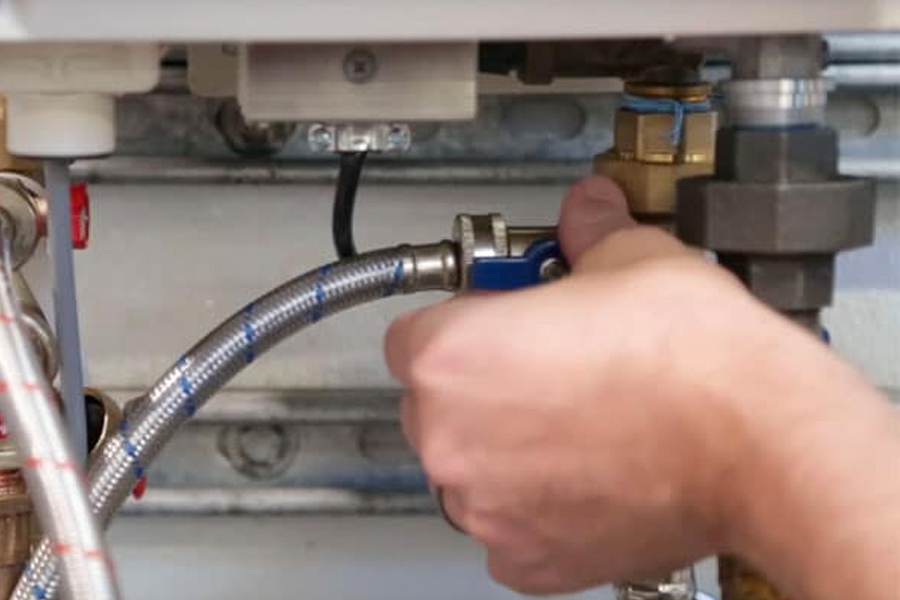
Types of water heaters
Before discussing the different water heater options available, it’s important to understand the two main types commonly found in Singapore: storage heater tanks and instant water heaters.
Storage water heaters
Storage water heaters include a tank that stores and heats water before dispensing it when needed.
Instant water heaters
Instant water heaters heat water quickly without storing it, unlike storage heaters. Depending on their power source, they can be further divided into several categories.
Types of Storage water heaters
Electric Storage Water Heaters
These are the most common in Singapore homes and are powered by electricity. They typically include a tank found in landed properties or condominiums, where water is stored and heated to a preset temperature. They are affordable and easy to use but can be prone to leakage and higher electricity consumption.
Gas Storage Heater
Gas storage heaters warm tank water through gas combustion. These are less common in Singapore and are mostly installed in landed homes. They require a consistent gas supply to operate.
Digital Storage Heater
These high-end electric heaters allow precise temperature control through a digital thermostat panel. They are considered a luxury item and are usually found in landed homes or specialised settings.
Solar Storage Heater
Solar storage heaters use roof-mounted solar panels to convert sunlight into heat energy for warming the tank water. They are one of the less common water heater types in Singapore.
Heat Pump Storage Heater
This type uses electricity but generates heat in a separate unit before transferring it into the storage tank.
Types of Instant water heaters
Electric tankless water heaters (Instant Water Heaters)
These heaters warm water only when needed, making them more energy-efficient than storage heaters. They come in single-point and multi-point types, depending on the number of outlets they serve. They are compact, suitable for small bathrooms, and commonly found in HDB flats. Many models include a showerhead and adjustable features for comfort.
Digital instant heater
Similar to digital storage heaters, these provide precise temperature control, but in an instantaneous format. They are often considered luxury household items and are usually seen in condominiums.
Gas instant heater
Gas instant heaters warm water using gas combustion. They are commonly used in industrial settings but are still found in some households.
Storage water heaters vs Instant water heaters
|
Storage Water Heater Pros |
Instant Water Heater Pros |
|---|---|
|
Consistent temperature |
Endless water supply as long as connected to pipeline |
|
Family-friendly |
Cheap to purchase and install |
|
Durable |
Compact |
|
Suitable for rain shower |
Easy to maintain |
|
Able to supply multiple bathrooms |
|
Storage Water Heater Cons |
Instant Water Heater Cons |
|---|---|
|
Bulky in size |
Initial outflow not heated |
|
More costly to install due to higher capacity |
Unsuitable for rain shower |
Considerations before purchasing a new water heater
If you want to install a new water heater in your home, the following key points should be kept in mind.
Types of water heater
As mentioned above, there are many types of water heaters with different capabilities. Your main decision will be choosing between a storage water heater and an instant water heater. Consider the power source, your preferences, comfort level, and ease of use. Think about what type of water heater works best for you and your household.
Cost
It’s natural to be cost-conscious when purchasing a new appliance. Generally, storage heaters are more affordable to install compared to instant water heaters. However, instant heaters are typically more suitable for homes due to convenience and compact size.
Installation location
Your living environment plays a big role in deciding which type of heater to install. For example, if you live in an HDB flat, an instant water heater is often preferred as it is compact and requires significantly less space compared to a bulky storage tank heater.
Energy consumption
Energy efficiency is another important factor. If you are concerned about your utility bills, consider heaters that consume less energy for the same output. Choosing a more energy-efficient model can save you money over time.
Life cycles & Maintenance
On average, instant heaters last between 10 to 15 years, while storage heater tanks typically last 8 to 13 years. Our skilled plumbers recommend servicing instant heaters every 3 to 5 years, and storage heater tanks every 5 years to ensure optimal performance.
Warranty
Water heaters come with different warranty terms depending on the brand. Instant heaters generally come with a 1-year warranty on parts, though this varies. Storage heaters often come with longer warranties, ranging from 3 to 10 years, depending on the manufacturer.
Common water heater problems
Like any household appliance, water heaters can develop issues over time and may require repairs or replacement. Homeowners commonly face various problems depending on whether they use a storage heater or an instant heater. Some issues also arise from misunderstandings or myths, especially with instant heaters.
Common Storage Heater Problems
Loss of energy
If heater water is stored without being used for a short period, about 40% to 60% of the heat energy can be lost. This can occur if the user does not use the heater after heating, but after a while wants to use it.
High operational cost
Before use, a storage heater takes up a high amount of energy to heat the whole tank. Holding the water warmed overnight for morning use may be even higher.
Temperature control issues
A storage heater may not provide the ideal temperature you need, which may be the case if your home uses a storage heater size that is not suitable.
Abrupt temperature fluctuation
For automatic storage heater tanks, this problem is more common. Over time, the heat sensor grows dull, causing temperature fluctuations and resulting in inconsistent water heating.
Common Instant Heater Problems
Initial cold outflow
The initial outflow from the water heater may not be heated, as it takes time for water to warm up while passing through the system. Unlike storage heaters, instant heaters do not pre-heat water in advance.
Abnormally heated water
If the temperature is set too high and the exhaust valve is adjusted to allow only a small amount of water to pass through, this can result in excessively hot water flowing out of the pipe.
Noise Emission
If the water heater has been used for a long time, noise may occur. Continuous heating causes wear and tear, which may indicate that a replacement is needed.
Water Leakage
Instant heaters are more prone to leakage over time, caused by pressure, corrosion, or overheating. These are just a few factors that lead to leakage; other causes may require different solutions.
Discoloured discharge
Water discoloration may occur due to corrosion of the heating rod inside the water heater. While water heaters can develop problems after years of use, homeowners can still take precautions to maintain safety. For homes with children, be sure to set a lower temperature to prevent accidents, and educate them on the proper use of the water heater.
Water Heater Maintenance
To prevent some of the above-mentioned issues, it is important to look for key areas during the installation of the water heater. Nonetheless, proper maintenance should not be ignored as it can prolong the life of a water heater and help avoid possible problems.
Anode rod
The anode rods are made of aluminium or magnesium around a steel wire. They act as a protective component to prevent the water heater tank from rusting. The anode rod should be inspected periodically. If rust is visible or the steel wire is exposed, the rod should be replaced. Frequent water heater use accelerates wear, so inspection is recommended annually or every six months.
Dip tubes
Dip tubes guide cold water into the water heater for heating. Not all heaters have this type of tube, but where applicable, they are prone to corrosion. It is advisable to have a technician check the dip tube every six months.
Regular flushing
Flushing the water heater annually is recommended to remove sediment buildup inside the tank. Flushing with disinfectant can also help prevent bacterial growth.
Draining
Draining mainly applies to storage water heaters. If the heater is left unused for a long period, the tank should be drained to prevent bacteria growth that can cause corrosion and potential health risks.
Water inlet piping
Though not part of the heater itself, water inlet pipes are essential. Any wear, tear, or leakage in these pipes should be inspected to ensure optimal heater performance.
Temperature & Pressure (TP) Valve
A storage water heater requires a Temperature and Pressure (TP) Valve by law. Its purpose is to release excess pressure or temperature to protect the tank. If the TP valve drips regularly, it may be loose or need replacement.
Insulation
Proper insulation of the water heater and its pipes helps maintain heat transfer efficiency and prevents heat loss, which prolongs the heater’s lifespan.
Regular Maintenance
It is recommended to have a plumber inspect and maintain the water heater periodically to extend its lifespan. A five-year maintenance interval is generally recommended, or earlier if needed.
Conclusion
There are many types of water heaters on the Singapore market, each with its own advantages. Some homeowners prefer storage heaters, while others choose instant heaters depending on their needs and living arrangements. With a variety of brands available, choosing the right heater is important, but maintaining it is equally crucial. Whatever type of heater you have, Nation Electric is ready to assist with installation, repair, and maintenance needs.