
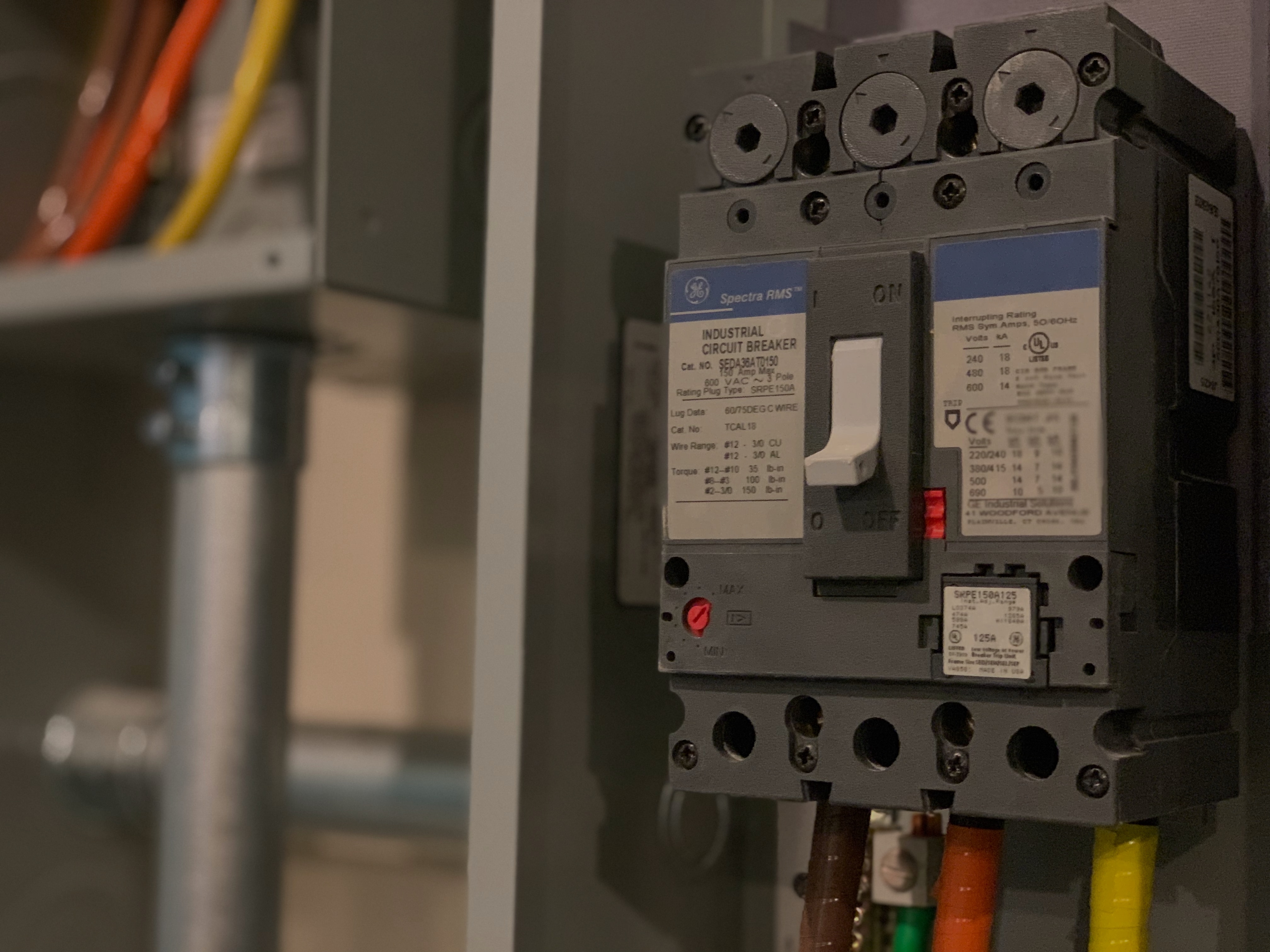
Power failure emergency services for commercial, residential or industrial properties
POWER TRIPPING SERVICES
Power Tripping or Power Failure in Singapore
Power tripping in most Singapore houses is not very common. When experiencing a house power trip, the most common thing to do is to reset the power circuit breaker. However, the power circuit breaker will not be able to reset if the cause of the power trip is not identified and isolated.
Power tripping is a measure of safety to prevent electrocution by users. It is highly likely that there is a defective appliance or an appliance being overloaded when there is a power trip in the building. There are situations where the wiring itself causes the problem internally and should be immediately replaced.
Causes of Power Trips
There’s no single explanation for an electrical power trip. Various sources of power failures exist. It is important to narrow down the origin or primary cause of the problem. Here are some reasons why power trips and power failures commonly occur:
1. Overloaded circuit
This is typically the main cause of power trips and power loss. When an electrical circuit is overloaded, the circuit breaker will trip to protect the system. In this situation, the circuit is carrying a heavier electrical load than it is designed for, and the only way to relieve the excess load is by shutting off the entire lighting circuit. Circuit breakers have different ratings that determine how much current they can safely handle. To protect your electrical circuit from excessive heat, circuit breakers will trip.
2. Short circuit
A short circuit is even more serious than a circuit overload. It occurs when a live (hot) wire comes into contact with another live wire or the neutral wire. A break in one or more wires within a loop can also result in a short circuit.
Diagnosing this issue is complicated because the problem may originate from your home’s internal wiring or from the wire of an appliance connected to the electrical system.
3. Ground fault
This electrical problem happens when the black (hot) wire touches the ground wire or makes contact with the sides of a metal box. The connection between the metal box and the ground wire creates a path that causes the fault. A ground fault can be considered another type of short circuit.
Why It’s Important To Call Us
Calling an emergency electrician early is important. Here in Singapore, the men who do this work every day usually know what to expect the moment they arrive. They listen to the main board, touch the casing lightly to feel for heat, and from these tiny details they can already guess the nature of the failure. Most faults can be fixed fairly quickly, unless something deep in the wiring has aged too far. But still, having a licensed electrician handle it is always safer than trying your own luck.
During a long power trip, people tend to feel restless. Some offices keep generators ready, especially those that cannot afford downtime. For homes, even a small portable unit can help, but not everyone has one. When there is no generator, the simplest things become precious — old battery lamps, a forgotten torchlight, or a handful of AA batteries you thought you’d never need. These items suddenly become useful again.
It is also wise to clear the areas near the distribution board and stay away from wet spots. Sometimes after heavy rain or a leaking ceiling, water sneaks into places it shouldn’t. If a light fitting is dripping, the best option is to leave it alone and wait for the electrician. Water and power do not argue — they simply react.
When the power finally returns, often without ceremony, the entire place relaxes. Fans turn again, the fridge hums, and the house feels like itself. In that quiet return, people usually realise how important the small preparations were — making the call early, noticing a loose wire, or keeping a torchlight within reach.
How to Resolve Power Trip and Failures
Power failure in Singapore can be resolved individually through the following means:
1. Resolving overloaded circuit problems
Such an electrical problem occurs when the black (hot) wire contacts the ground wire or when the metal box sides come into contact with it. This is essentially a type of ground fault, which can be considered another form of short circuit. You can also shut down any unused appliances and check for loose outlet wires. Tighten any loose connections.
2. Resolving short-circuit power tripping problems
A short circuit occurs when cable insulation is cracked or broken, allowing live wires to touch other wires. You will need to test all outlet cable insulation and check whether any of them have deteriorated to the point where black or white cables make contact.
Turn off the power outlets and check for signs of burning or melting. Look for discolouration on plugs or sockets, as these can indicate damage. These steps may help you identify the source of your electrical failure.
3. Fixing power tripping problems caused by ground faults
The steps are similar to checking short circuit issues. Inspect whether the black (hot) wire has made contact with the ground wire or the metal outlet box. Keep in mind that the metal box is usually attached to the ground wire.
The most critical question when the circuit breaker trips is whether the fault originates from the electrical wiring network or from an appliance plugged into the circuit. Follow the steps below to locate the source:
- Turn off all connections on the loop.
- Unplug all electrical devices from the sockets.
- Go to the electrical service panel and reset the circuit breaker.
- If it trips again immediately, the problem is not with your appliances but with the electrical wiring.
- Reconnect each device to the outlet one at a time to identify the defective device. Repair or replace it as needed. If all devices function properly but the breaker still trips, it may be time to replace the breaker.


How to Prevent Power Trips
With the majority of Singapore’s population employed in air-conditioned offices, companies rely heavily on a stable electric power supply. It not only powers essential equipment but also ensures comfortable working environments. If the power supply is disrupted, such as during a power trip, it can negatively affect both workers and overall company productivity.
There are many locations beyond workplaces that can be significantly affected by frequent power outages — hospitals, schools, shopping malls, and more. Therefore, it is important to understand basic electrical safety practices to prevent power trips, such as those below:
Proper Electric Wiring
Make sure the overall electrical wiring is properly installed to avoid electrical trips in HDB flats or commercial buildings such as offices or hospitals. Many HDB power trips occur due to poor wiring, which is why only skilled and qualified electricians should work on these electrical systems.
Avoid Overloading Your Electric Mains
Before using any electrical appliances, make sure their power ratings match your electrical outlets. When doing a home renovation, avoid installing power sockets with limited capacity. Overloading happens easily when too many appliances are plugged in at the same time, which can cause the mains to trip.
Get Some Backup Power Sources
Some power trips are caused by major electrical transmission problems or failures at power stations. These events are beyond your control and may result in a complete blackout. Ensure that your building has a backup power source, such as an electrical generator, to keep essential appliances running.
Use Electric Power Properly
Improper use of electrical power can lead to power trips. Follow safety procedures to prevent short circuits and avoid mishandling electrical appliances, which can result in electrical failures.
What Not To Do During A Power Failure
Once a power failure happens, your air conditioner, water heater, and even your refrigerator will stop working. Undoubtedly, an electricity trip will create numerous inconveniences that prevent you from carrying out your daily tasks easily.
It is important, however, that you know what to do and what to avoid. Here are the key things you should NOT do during a power failure:
Do Not Forget To Unplug
When a power failure occurs, unplug your electrical devices immediately. Forgetting to do so can damage your appliances due to surges and spikes that often happen when the electricity returns. This is one of the most effective ways to prevent damage. You can keep a light switch turned on so you will know when the power comes back.
Do Not Touch a Downed Wire
Never touch a downed cable during a power outage. A wire that appears “dead” may still be live and extremely dangerous, posing a severe risk of electrocution. Keep at least 30 feet away from a downed wire, or 60 feet if the ground is wet or muddy. If you are inside a car when a wire falls onto it, stay inside and avoid touching both the vehicle and the ground at the same time.
Do Not Use Candles
Avoid using candles during a power failure in Singapore, as unattended candles can easily cause fires. Use battery-powered flashlights or LED lights instead. If candles are absolutely necessary, ensure they are fully extinguished afterward.
Do Not Open The Fridge or Freezer
Opening the fridge or freezer repeatedly will cause food to spoil faster. Keep the doors closed to maintain the cold temperature. A full freezer can stay cold for about two days, while a half-full freezer can remain cold for at least 24 hours. You can store bottles of water in the freezer to help keep it cool. If needed, transfer perishable items into a cooler with ice. Foods like eggs, fish, and chicken spoil quickly and should be discarded if they warm up.
Engage an emergency electrician for power failures
When a power failure occurs in a building due to a technical fault in electrical wiring, the occupants should contact a trusted electrician immediately to fix the problem. While waiting, check for any loose or exposed electrical wires or faulty sockets that could cause accidents.
Emergency electricians in Singapore are highly trained and experienced in handling power failure situations. They can usually resolve the issue quickly unless there is a major fault deep within the electrical lines. Ensure electrical safety in your home by engaging only a licensed electrician.
In addition to choosing a reliable electrician, it is also important to take the following measures during a power failure:
When faced with prolonged power trips in Singapore that may last for days, using generators is the most practical solution. Most commercial and industrial buildings install high-power generators to ensure smooth business operations.
If no generator is available, or if its fuel runs out due to extended usage, battery-operated emergency lights or power-failure night lights will be useful. Homeowners should keep a good supply of batteries on hand. During blackouts, these can be used with flashlights or portable lamps when fixed lighting is unavailable.