

Ceiling fan installation services for commercial, residential or industrial properties
CEILING FAN INSTALLATION
Ceiling Fan Installation Services
A ceiling fan installation is one of the easiest ways to keep your home or business comfortable. Ceiling fans come in a variety of designs and shapes to match any interior. During warmer periods, a properly installed ceiling fan helps circulate air and improve comfort for occupants.
For the safety of your home, professional installation is very important. Ensure that ceiling fans and lighting fixtures are installed by a licensed electrician. Nation Electric’s electricians are trained to mount fixtures precisely, helping keep your home cleaner and safer by ensuring proper installation and reducing risks.
Energy-saving Benefits of Ceiling Fans
Ceiling fans help air conditioners operate more efficiently, improving ventilation and reducing energy usage. They also enhance the appearance of homes and businesses, as they come in many appealing shapes and sizes to match different interior styles.
Can I Install A Ceiling Fan By Myself?
Many people feel uncomfortable installing ceiling fans themselves because the process involves high-voltage electrical wiring and carpentry expertise to ensure the fan is securely mounted. Improper installation can be dangerous, especially at height.
Ceiling fan installation in Singapore usually includes fitting a new electrical box in the ceiling. If this is not done correctly, the fan may loosen or fall due to its weight and continuous motion. We do not recommend installing a ceiling fan on your own unless you are an EMA-certified electrician.
If you have sufficient electrical knowledge and experience, you may attempt installation, but professional electricians understand the specific technical requirements involved. This is why it is advisable to engage a professional electrical service whenever possible.
Types of Ceiling Fans
Why risk your safety when you can rely on Nation Electric’s EMA-approved electricians to install your ceiling fans properly? We specialise in all forms of ceiling fan installation services in Singapore and ensure that every project is wired and installed correctly.
If you have an old ceiling fan that no longer works well, we can repair or replace it. We can also recommend high-quality ceiling fans for commercial projects rather than low-grade options that break easily. For office complexes or commercial buildings, we ensure fans are installed safely using quality electrical wiring at affordable prices.
We can install any type of ceiling fan you need, including the following options for your home or office:
Standard Ceiling Fans
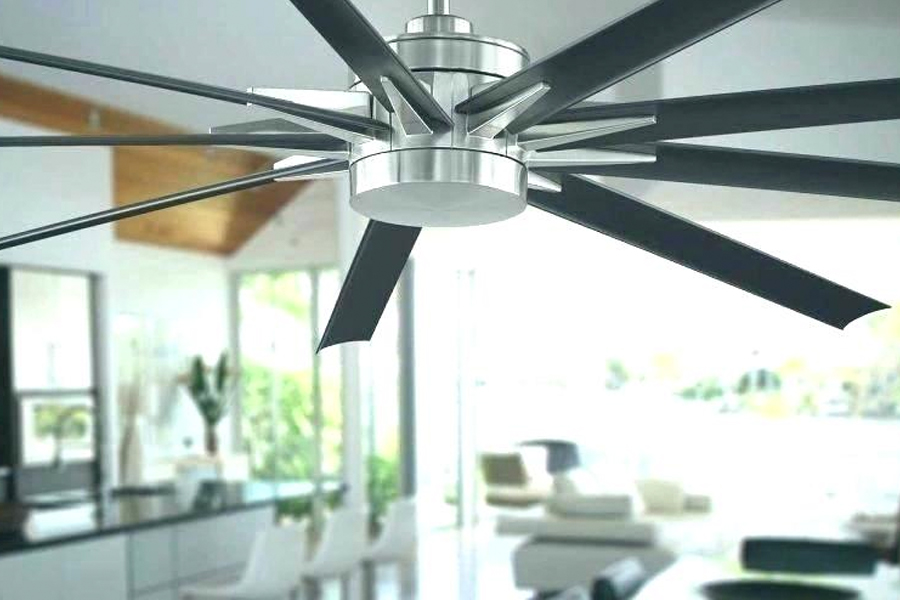
These usually come with 4–5 blades and are available in many styles to match interior décor. They may use a pull switch or remote control, and some models include built-in lighting. They are typically installed with a downrod on flat or slanted ceilings. Outdoor versions should be mounted at least 7 feet high, and indoor fans at least 9 feet high.
Low Profile Ceiling Fans
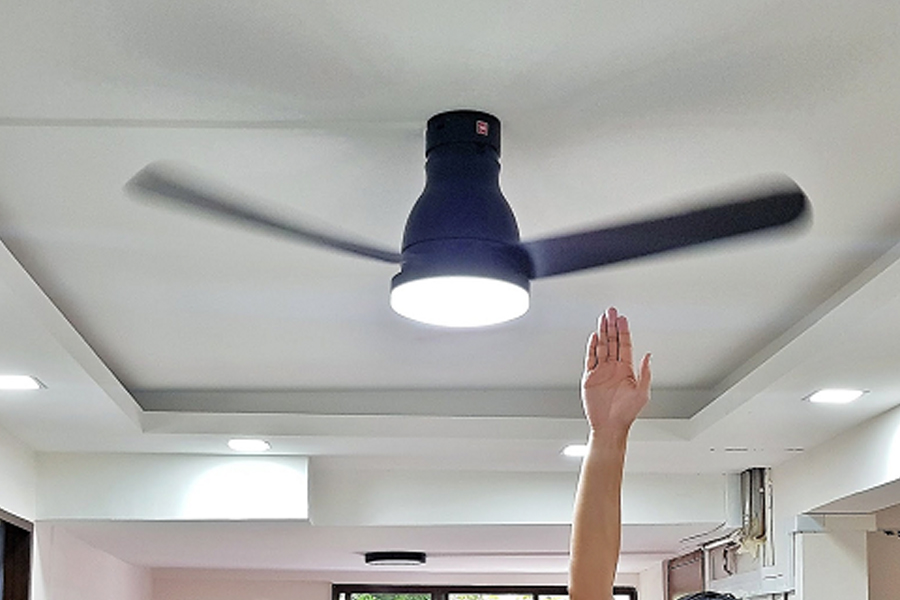
These are used when the ceiling height is below 8 feet. They are mounted directly onto the ceiling bracket. Although they generate less airflow than standard ceiling fans, they help distribute cool air effectively when used together with an air conditioner.
Energy Saving Ceiling Fans
These fans are more efficient than regular ceiling fans and help save money in the long run. Aerodynamically designed to reduce air resistance, they consume less power while providing the same airflow. They typically save at least 20% more energy than standard models.
Dual Motor Ceiling Fans
These fans have a main motor connected to two horizontal rods, each with an adjustable fan head. Each fan can operate at different speeds and oscillate in different directions, making them ideal for covering larger areas.
Outdoor Ceiling Fans
Outdoor ceiling fans are designed to withstand humidity and varying weather conditions. They come in two types: damp-rated fans and wet-rated fans.
Damp-rated ceiling fans can handle hot and humid weather, making them suitable for porches, patios, and sunrooms. Wet-rated ceiling fans are fully waterproof and can come into direct contact with rain or moisture, making them suitable for fully exposed outdoor areas.

Considerations when installing a ceiling fan
Do your homework before installing a ceiling fan in your home. This is particularly important because nowadays there are different types of fans on the market. We vary not only in brands, but also in designs, forms, and functions. Find a fan that will adapt as closely as possible to your needs and lifestyle.
Think about the outdoors
If you live in a landed property, consider getting an outdoor installation of a ceiling fan. If you have a greenhouse or patio, this is a smart and realistic option. Getting a ceiling fan installed in such places will make it more comfortable to sit and relax outdoors, particularly in the hot climate of Singapore. Because the cost of installing ceiling fans is typically more economical than air conditioners, you can choose as many ceiling fans as you like.
Height of room
For maximum effect and protection, the vertical location of a ceiling fan should be positioned at the right level depending on the height of your room. A down rod attach is used to change the suspended height of your home ceiling fan, below is a table of appropriate matches between down rod length and room height.
|
Height of Room |
Length of down rod |
|---|---|
|
8 feet |
Directing mount onto ceiling |
|
9 feet |
6 inches |
|
10 feet |
12 inches |
|
11 feet |
18 inches |
|
12 feet |
22 inches |
|
13 feet |
36 inches |
|
14 feet |
48 inches |
|
15 feet |
above 60 inches |
Area of the room
Choosing the right fan blade size will give you the best wind speed in the room, depending on the size of your room, different fan blade sizes will be needed. The list below is a guild line for installing ceiling fan in Singapore that you can choose to follow.
|
Length of blade |
Room size |
Location |
|---|---|---|
|
0.5 to 0.9m |
<75 square feet |
Tiny rooms: laundry rooms, utility rooms, bathrooms, etc |
|
1 to 1.2m |
<175 square feet |
Small rooms: eg bedrooms, study room, etc |
|
1.3 to 1.5m |
<350 square feet |
Large room: kitchen or master bathroom, etc |
|
Greater than 1.5 m |
>350 square feet |
Very large room : living room or dining room, etc |
Location of your ceiling fan
As previously stated, your ceiling fan’s position requires different blade span sizes and different down rod lengths depending on your room size. Another factor deciding which fan to mount is the room’s humidity. For example, it would be best to install a ceiling fan rated for humid conditions in bathrooms or kitchens. Subsequently, it is advisable to get a ceiling fan approved for wet conditions to prevent water damage to your ceiling fans for outdoor areas such as a balcony where rain can splatter in.
Common ceiling fan problems
Have you ever heard a peculiar humming sound from your ceiling fan? Many people experience small issues with their ceiling fans and face a dilemma: should they live with the minor annoyance, or spend money on a replacement? Even if your fan is old, many of these issues can still be repaired.
Before replacing your ceiling fan or calling a professional, it helps to understand common ceiling fan problems that can be fixed quickly.
Wobbly ceiling fan
A wobbly ceiling fan is a very common issue. Many people ignore it, but it can be a daily nuisance. Fans may wobble due to the following reasons:
- Ceiling fan is loosely fastened to the electrical box in the ceiling
- Improper installation of the electrical ceiling box, causing looseness
- Fan blades not properly secured to the brackets
- Mounting bracket not tightly fastened to the motor
- Incorrect placement of fan blades
- Bent or imbalanced fan blades
- Excessive dust accumulation on blades over time
A wobbly fan does not necessarily mean it is defective. Turn off the fan, tighten all screws and blade brackets, and clean accumulated dust. If the wobbling persists, contact a fan installation professional to ensure proper mounting.
Noisy ceiling fan
A small amount of noise is normal, but persistent or unusual sounds may indicate a faulty component. Common causes of noisy fans include:
- Ball bearings not properly lubricated
- Foreign objects caught in the blades or motor
- Imbalanced fan blades
- Fan blade contacting the shroud or motor cover
Tighten all parts and clean the fan thoroughly. If the noise continues, call an electrician as there may be an issue within the internal circuitry.
Ceiling/Wall Fan Stuck on One Speed
It can be frustrating when a fan is stuck at a single (usually low) speed. Common causes include:
- A blown motor capacitor
- A broken pull cord (for wall-mounted fans)
- Insufficient lubrication on the ball bearing
The motor capacitor regulates the amount of energy supplied to the fan motor, which controls fan speed. When the capacitor is blown, only a small amount of current passes through, causing the fan to run slowly. If the fan uses a pull cord, it may have snapped, leaving the fan stuck at one speed. Ensure the ball bearings are well-lubricated to reduce friction.
Ceiling fan stopped rotating
If your fan suddenly stops rotating, check for the following issues:
- Circuit breaker tripped due to power overload
- An open circuit caused by a loose connection
- Internal motor problems
First, inspect the distribution board to see if a power trip caused the fan to stop. Next, check for loose wiring or a disconnected power supply. If these aren’t the cause, the issue may lie within the fan’s internal components—such as a damaged motor or worn bearings.
We recommend engaging a professional instead of handling wiring or internal fan components yourself. This ensures safe and accurate repairs. Also, many fans come with warranties, so keep this in mind when purchasing a fan—it may save you replacement costs later.